Abstract Art: What Is It?
If you still find yourself asking what abstract painting is, I invite you to explore this artistic language more closely and discover its beauty and meaning
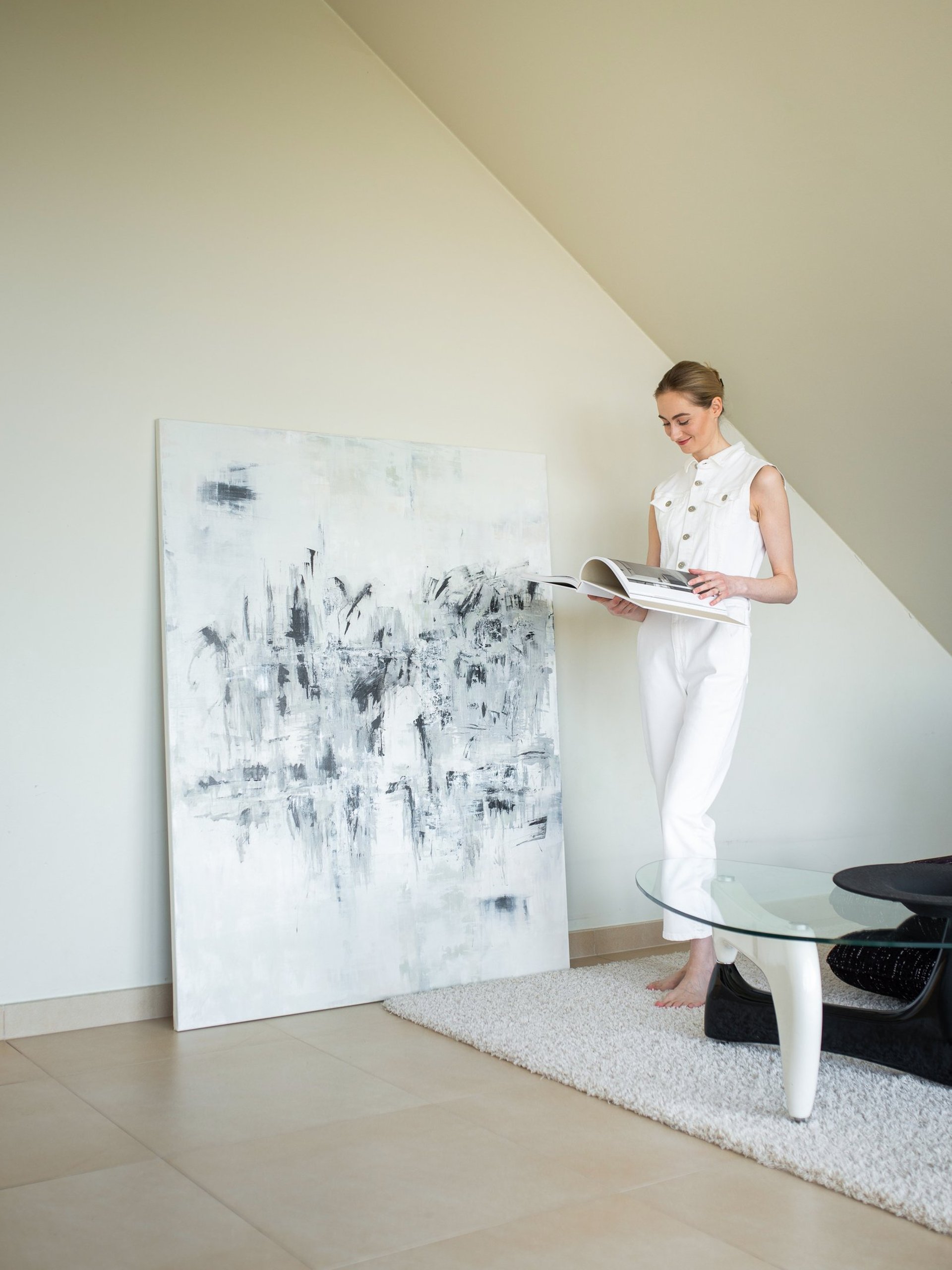
Paintings can take many forms: landscapes, portraits, historical or religious scenes, still lifes, and abstract works. What distinguishes abstract art is that it does not represent recognizable objects or literal imagery.
Instead, abstraction invites the viewer into a space of imagination and personal interpretation. These works are composed through forms, lines, colors, and their relationships each capable of carrying multiple meanings.
Abstraction is an expression of creative freedom and spontaneity. It is a unique interplay of color, texture, form, and technique. In many ways, it becomes a reflection of the artist’s inner world an imprint of emotion, thought, and intuition translated onto canvas.
At times, abstract art may feel unfamiliar, difficult to understand, or even deceptively simple. This is entirely natural. It does not require analysis or logical explanation. Its value lies in what the viewer senses and experiences.
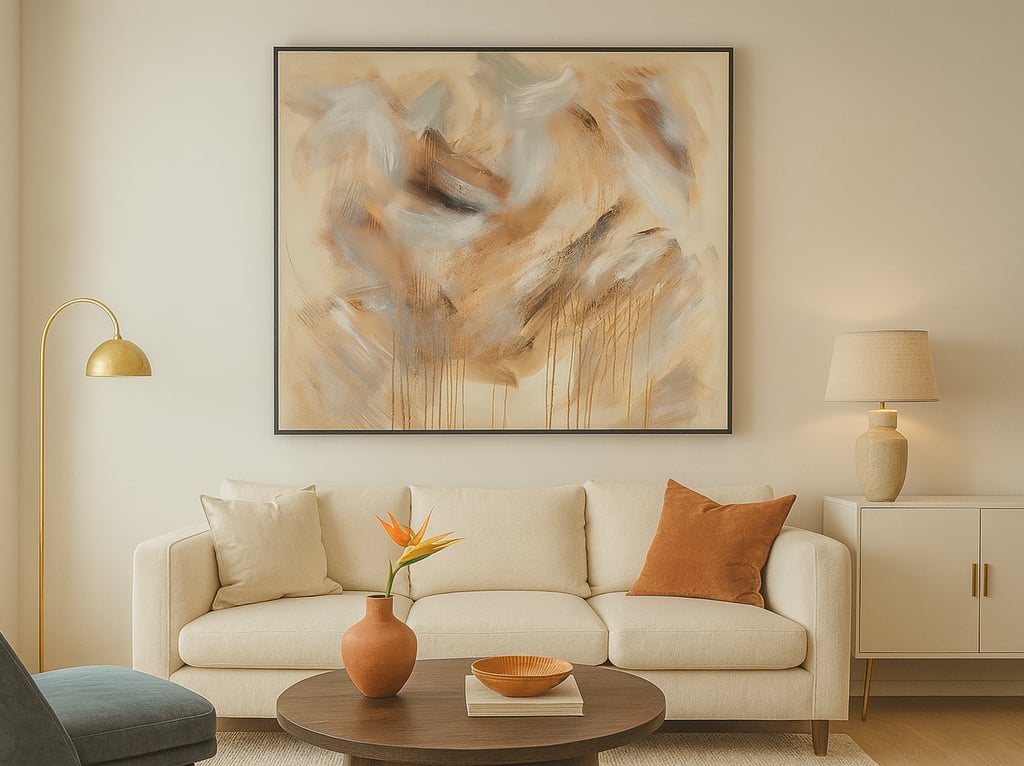
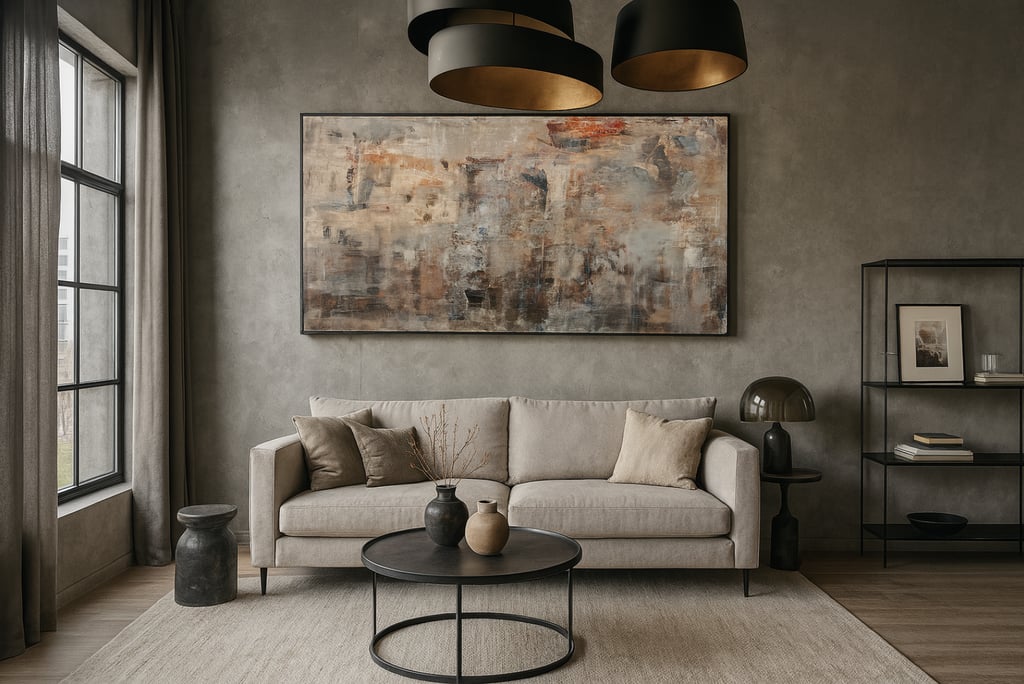
Abstract paintings are especially valued in interiors for their ability to shape atmosphere and become a distinctive focal point. Their versatility allows them to integrate seamlessly into a wide range of styles.
Minimalist abstraction, in particular, can offer a sense of visual rest especially in environments saturated with imagery and constant stimulation.
Abstract painting is often created on larger canvases, with an emphasis on texture and the use of high-quality materials. This lends interiors a sense of refinement, character, and subtle luxury.
The beauty of abstraction reveals itself in the details. When you spend time with a piece, you begin to notice the nuance of each brushstroke much like listening to music without words.
Among the most influential figures in abstract art are Pablo Picasso, Wassily Kandinsky, Kazimir Malevich, Paul Klee, Piet Mondrian, Jackson Pollock, Mark Rothko, Barnett Newman, Robert Motherwell, and Georges Mathieu, among many others.
Today, abstract art continues to play an increasingly important role in modern interiors introducing creativity, emotion, and new aesthetic experiences into everyday spaces.