Art in Interior Design: How to Choose the Right Piece
An interior is rarely complete without thoughtful details and artwork. When selecting a piece, you are not only shaping the visual composition of a space, but also its atmosphere. Choosing the right artwork is about aligning both aesthetic vision and emotional connection
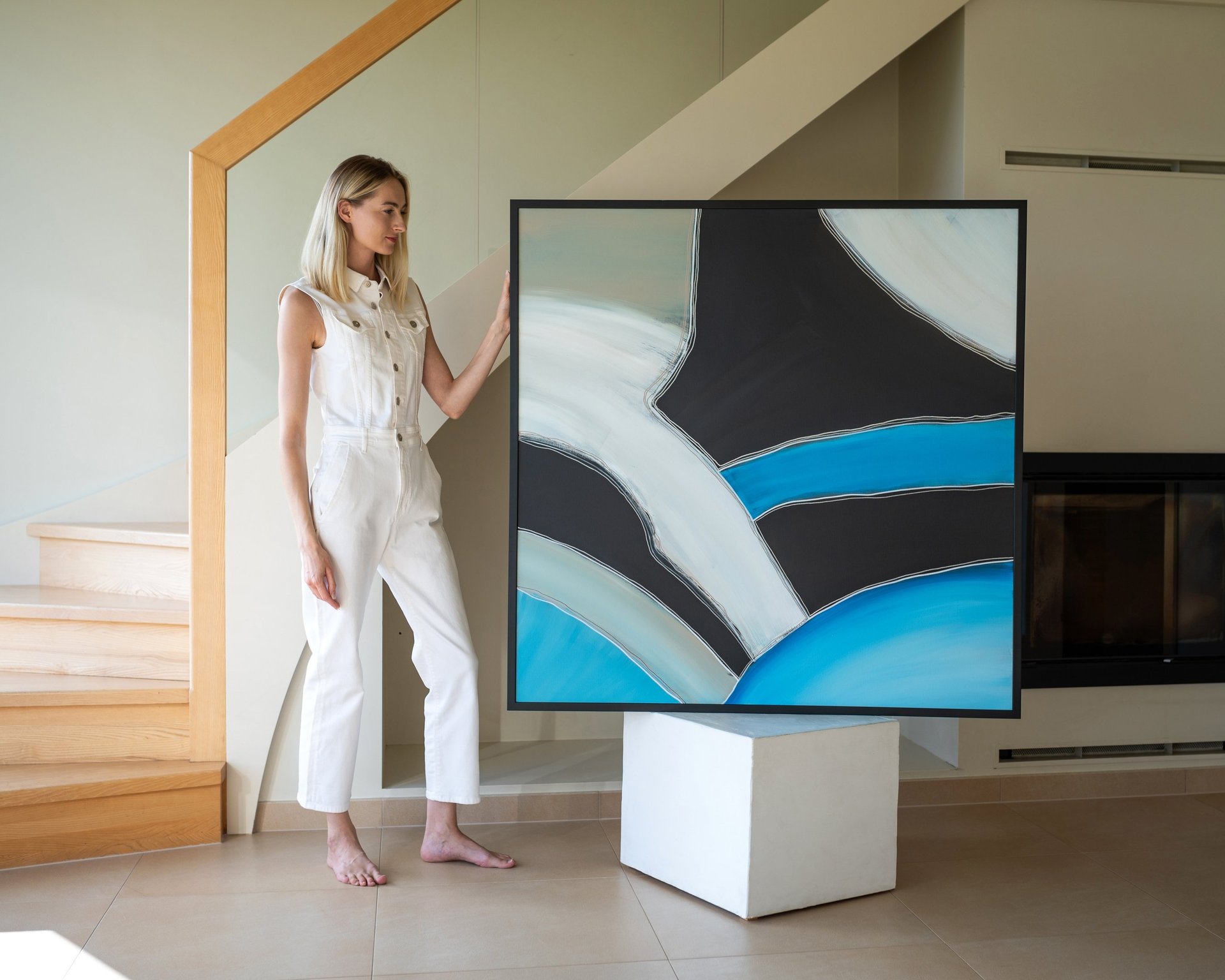
A modern painting in an interior is more than decoration.
It is an accent that introduces character, originality, and a refined sense of aesthetics. A well-chosen piece can become the final touch that completes a space—or the starting point from which the entire interior evolves.
Where to begin?
One of the most important criteria when choosing a painting is your personal taste and inner response. Even if you are working with an interior designer or decorator, only you can answer:
Do I genuinely like this piece?
Do I find myself drawn back to it?
Does it evoke a feeling—calm, joy, memory?
Does it reflect the atmosphere and vision of my home?
Does abstract art resonate with me, allowing space for interpretation?
A work of art should speak to you. Only then does it become a lasting and meaningful part of your home.
Should the artwork match the interior?
In contemporary interiors, there is a growing understanding that art does not need to “match” perfectly. A painting does not have to mirror the color of a sofa, rug, or curtains. What matters more is the additional layer it brings: a sense of calm, inspiration, rhythm, or emotional depth.
That said, to ensure the artwork integrates harmoniously into the space, a few principles can be considered.
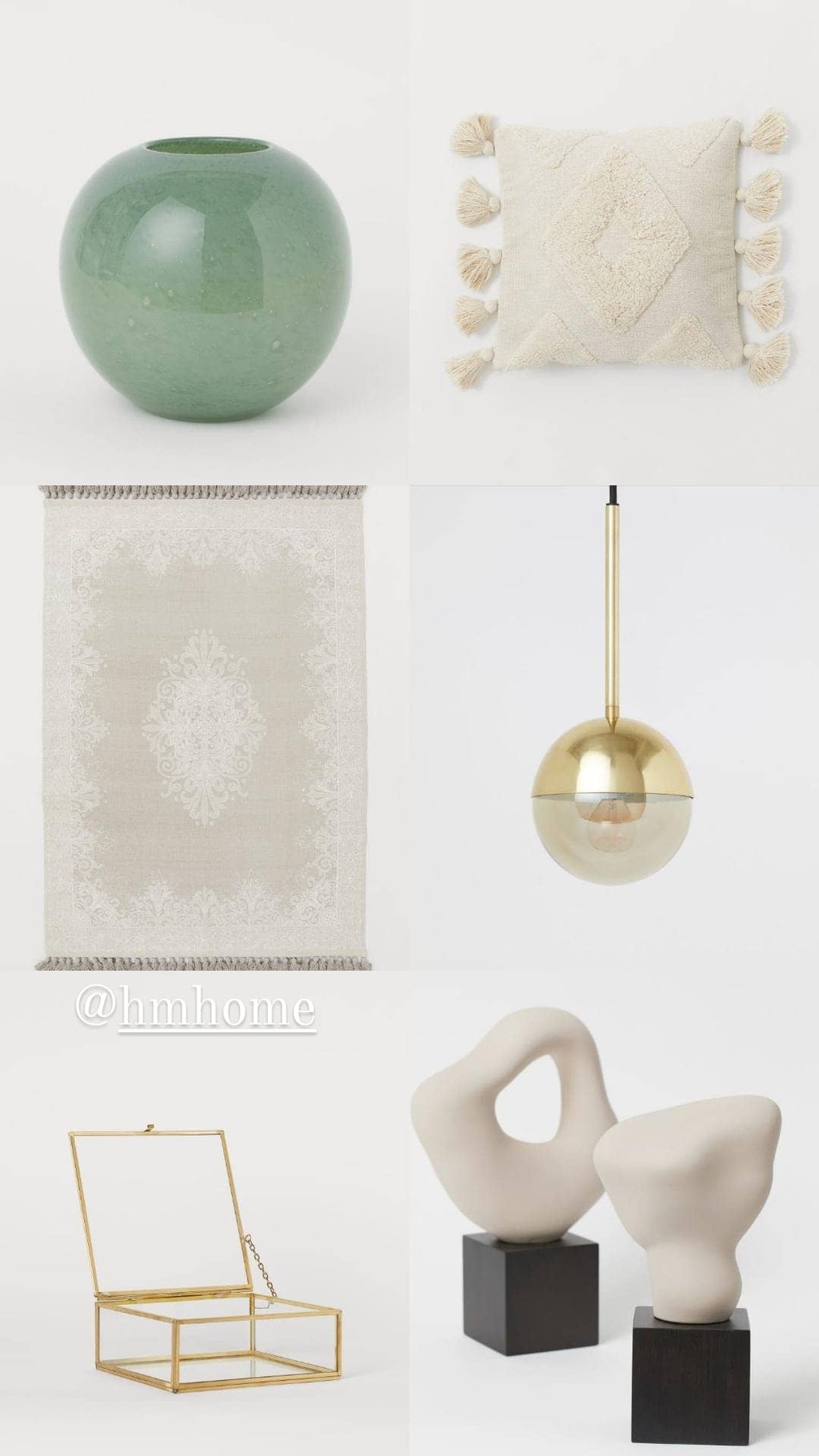
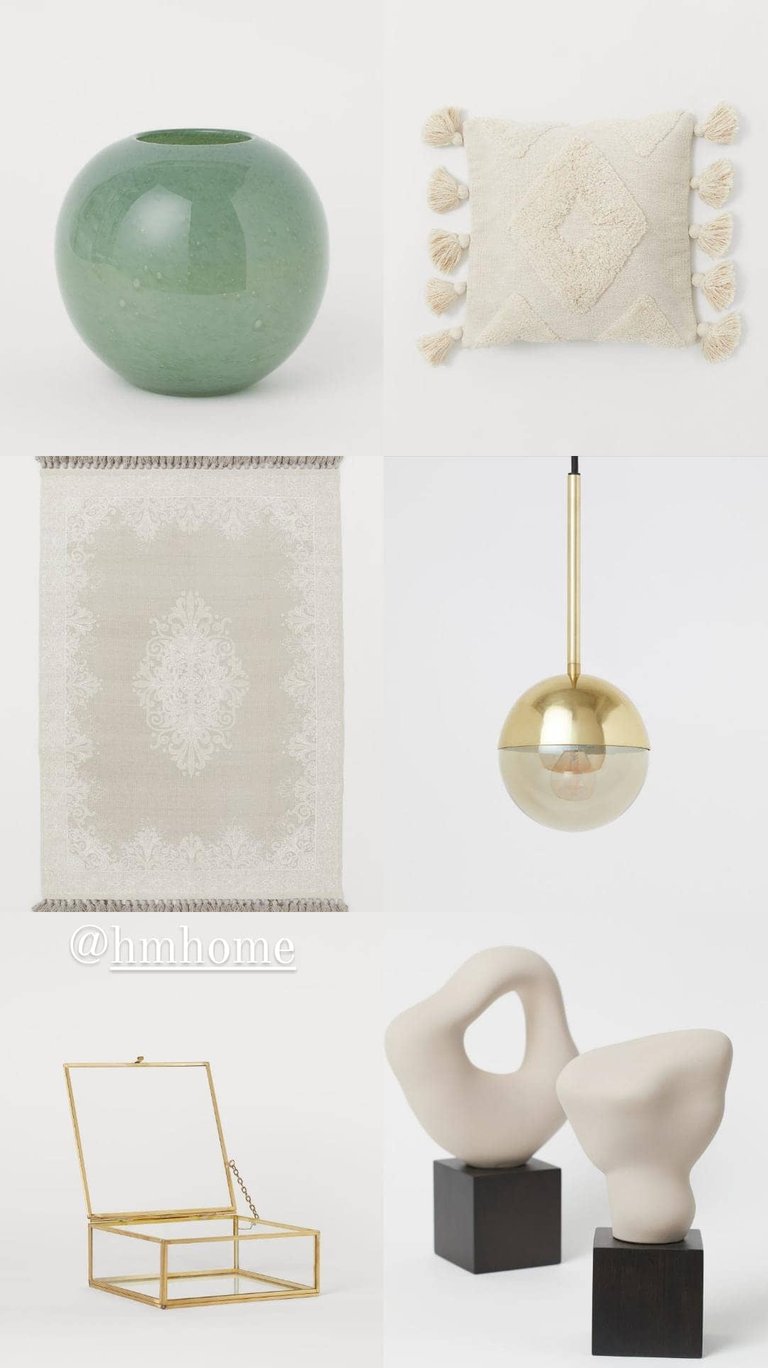
Colors within the painting may echo accent tones already present in the interior, naturally tying the space together. Decorative elements nearby—textiles, vases, sculptural objects—can visually connect the artwork with the surrounding environment. Repetition of forms and textures also creates unity, while the painting’s composition and movement can either complement or gently contrast the dominant lines of the space.
Contrast or harmony?
If a painting feels bold or contrasting, this can be a strength. Strong works create focal points, draw attention, and bring vitality into a space. Such pieces are particularly effective in areas where you want to enhance emotional impact—an entryway, living room, or dining area.
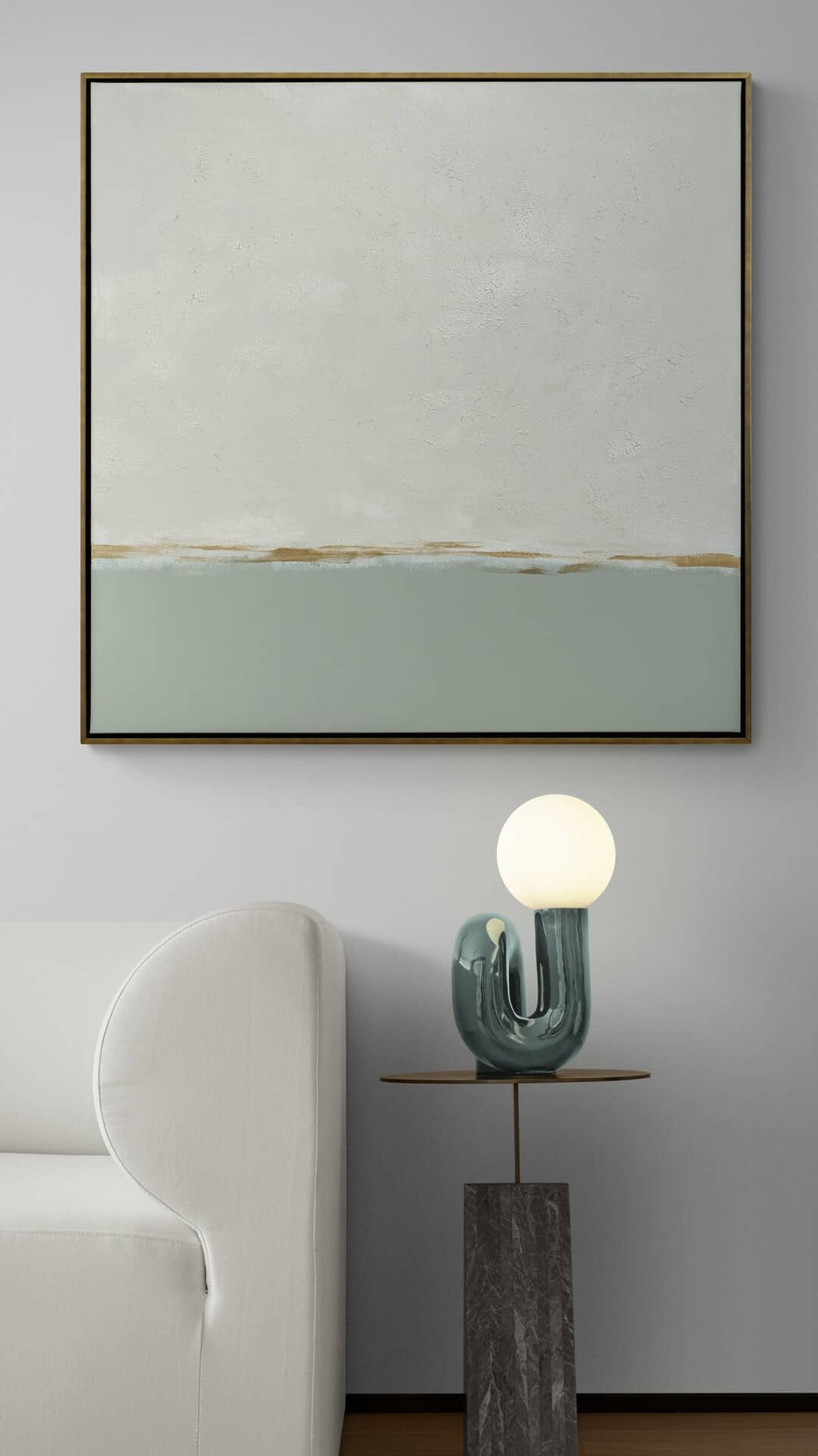
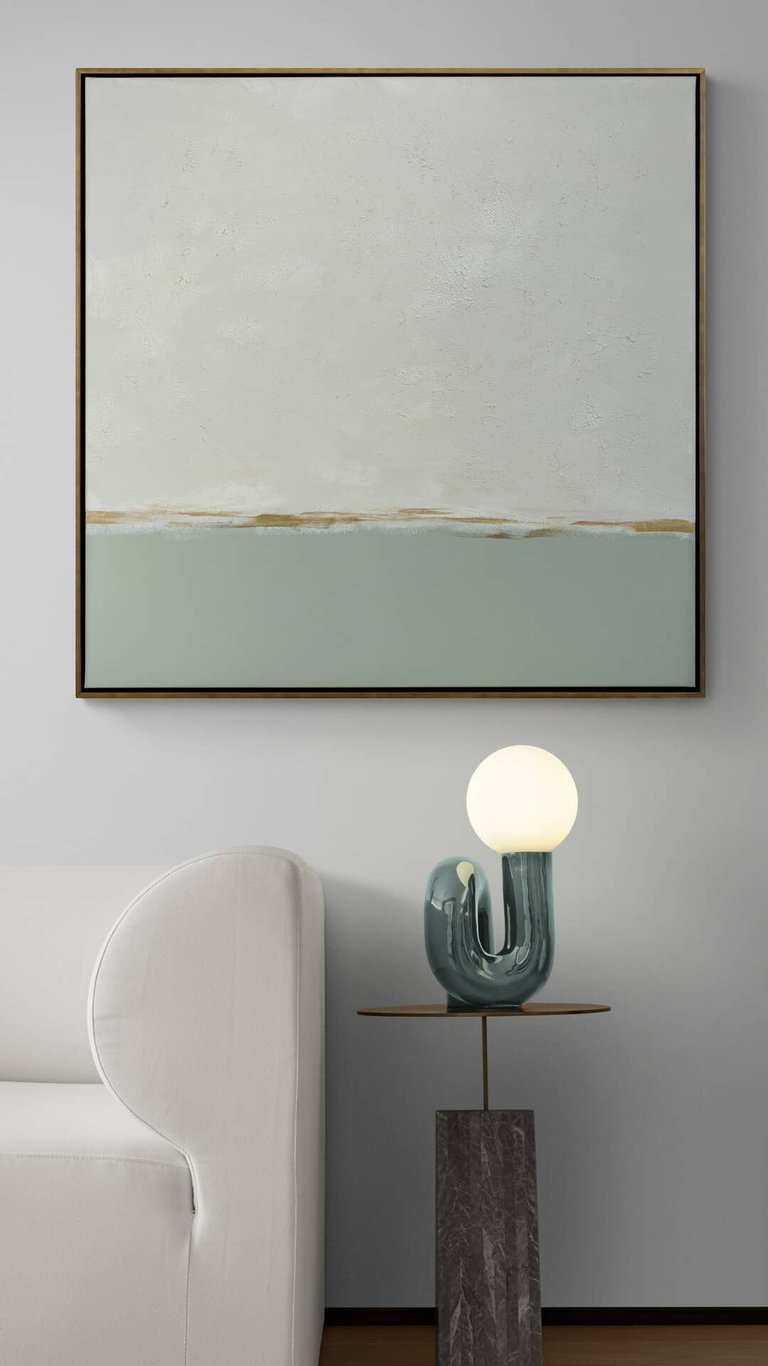
Neutral-toned artwork offers a more understated approach. It is a versatile and refined choice, especially in Scandinavian or minimalist interiors, where balance and restraint are essential. These works do not overwhelm the space but support its overall calm and cohesion.
Examples of neutral palettes include muted blues, soft mint tones, ivory, sand, and earthy browns, as well as warm greys, creams, and milky whites.
For those seeking a more playful expression, contrast can be introduced intentionally. Neutral tones provide a safe foundation, particularly in light interiors—they do not compete but rather integrate. The key is clarity: what kind of atmosphere do you want to create?
In conclusion
Interior aesthetics are shaped not only by function or proportion, but also by intuition and personal sensibility. Allow yourself to choose not only with your eyes, but with a deeper sense of feeling.
A painting within a space can calm, inspire, uplift, or even provoke.
The essential question becomes: what kind of atmosphere do you want to create in your home?