Interior Styling: Color in Interior Design
Color is one of the most essential elements of interior styling. In this article, you will find key foundational principles that interior decorators use to create a well-balanced and cohesive space.
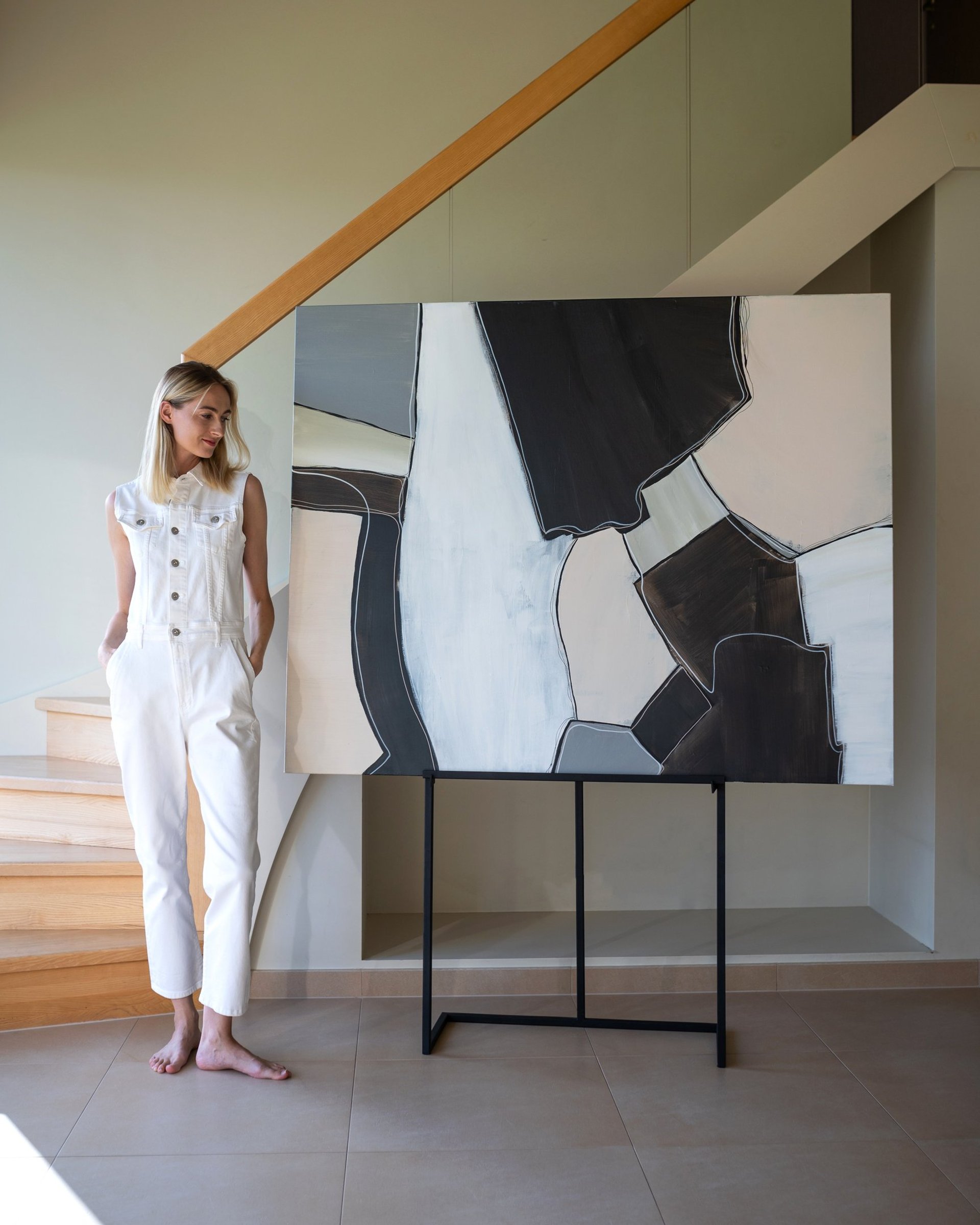
The true beauty of color reveals itself through harmony. Thoughtfully combined tones can enhance the interior style, influence the mood, and create a sense of completeness within a space.
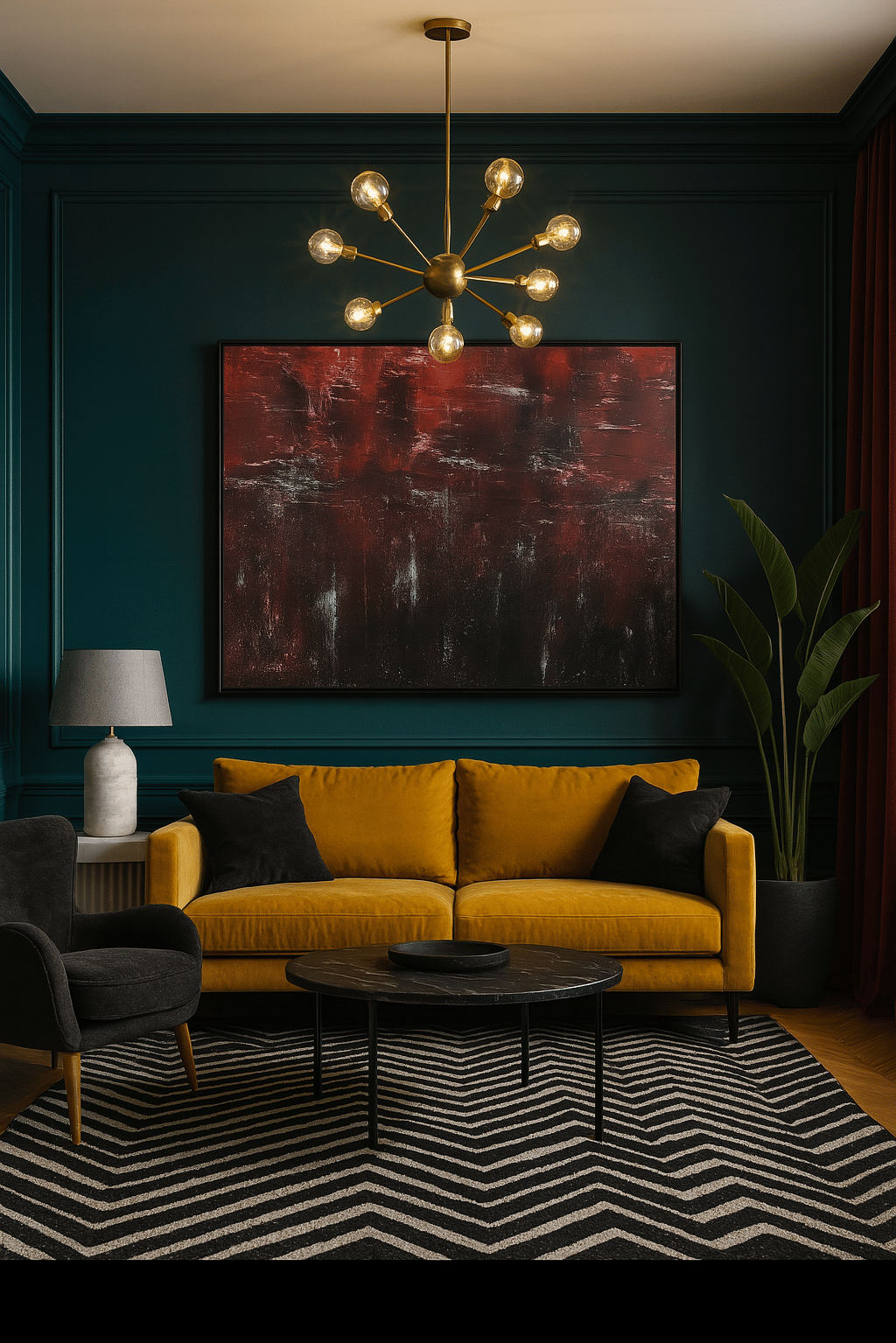
Different colors evoke different emotional responses. Warm tones such as yellow, orange, and red bring energy, warmth, and stimulation. Cooler tones like blue, green, and violet have a calming effect and support relaxation.
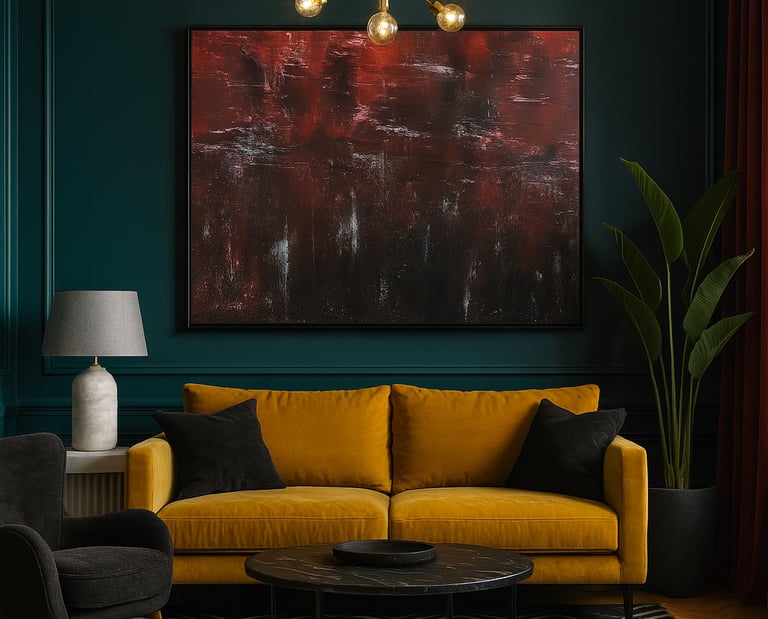
If you already have one dominant color and wish to introduce additional tones, the color wheel becomes a useful guide. One of the fundamental principles is the use of complementary colors, such as blue and orange. For a more subtle and refined look, analogous colors—those positioned next to each other on the color wheel—are often a better choice.
A simple yet effective way to achieve harmony is through a monochromatic palette, based on different shades of a single color. This approach allows for easier coordination of interior elements and helps maintain visual consistency.
It is recommended to use at least three to four colors: a primary color, a secondary one, and one or two accent tones. This creates balance while adding visual interest.
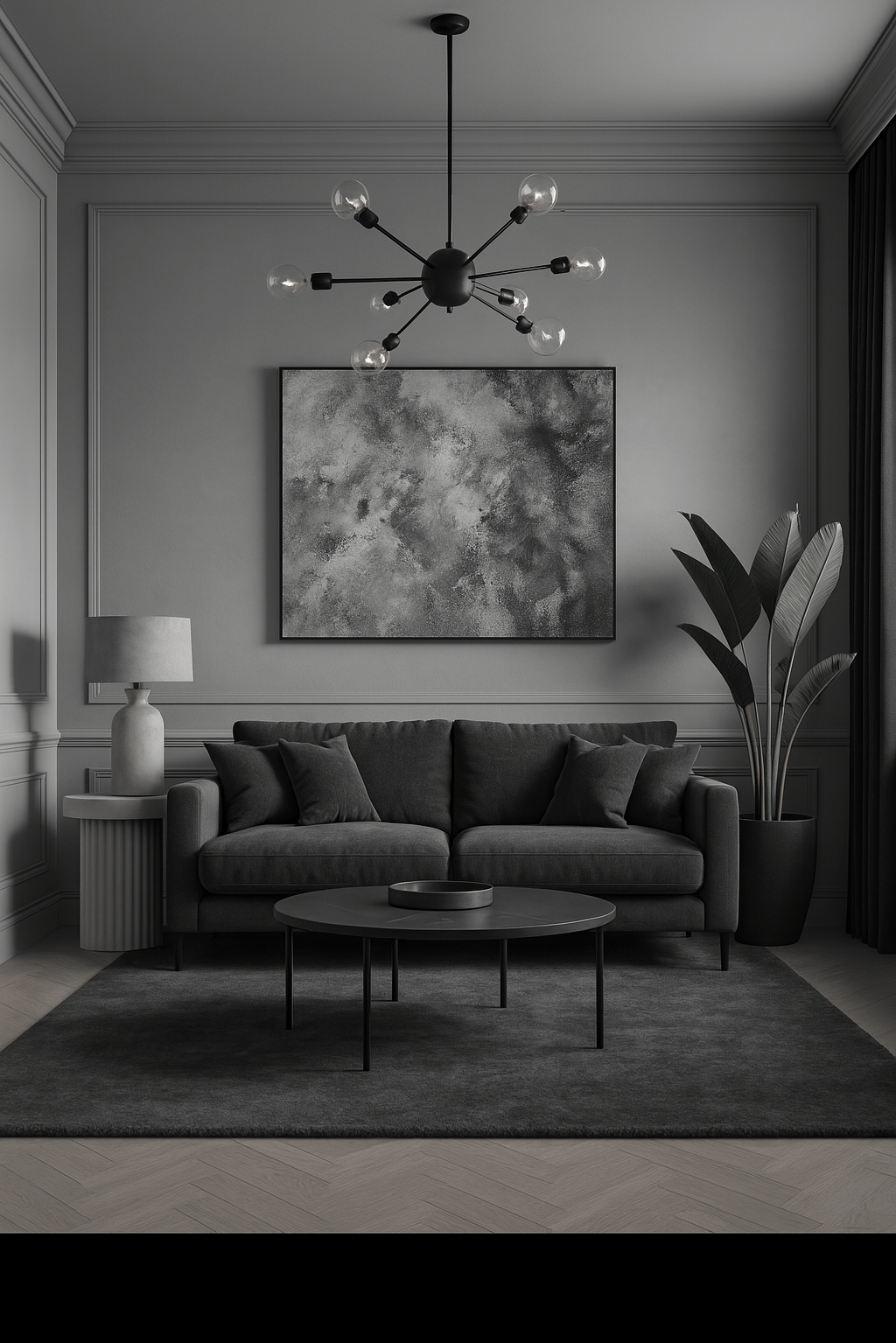
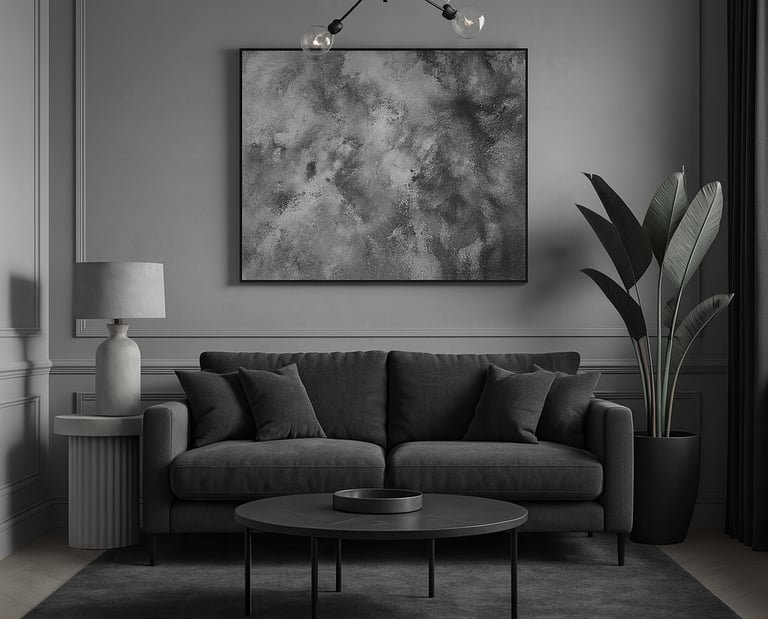
Neutral colors remain highly relevant. They allow for both light and dark interiors while maintaining a sense of elegance. Texture and material variety play a key role in adding depth and subtle richness. A neutral palette may include greyish blues, mint tones, ivory, cream, white, and grey.
To enliven a neutral base, accent elements become essential. One of the most effective choices is abstract artwork, which not only decorates the wall but also strengthens the character of the interior. Cushions, vases, books, and textile details can also serve as refined accents.
Current color trends are best introduced through smaller objects. If a color still feels uncertain, it is wise to avoid large-scale decisions such as painted walls or furniture, as these are costly and difficult to change.
Finally, if you are still deciding on a color palette for your home, your wardrobe can offer valuable insight. What does it reveal? Which colors do you naturally gravitate towards, and feel most comfortable in? An interior, much like clothing, should reflect your personality.