Interior Styling: To Match Art or Not?
Selecting and combining furniture, colors, and materials is a process that shapes a distinctive and personal interior
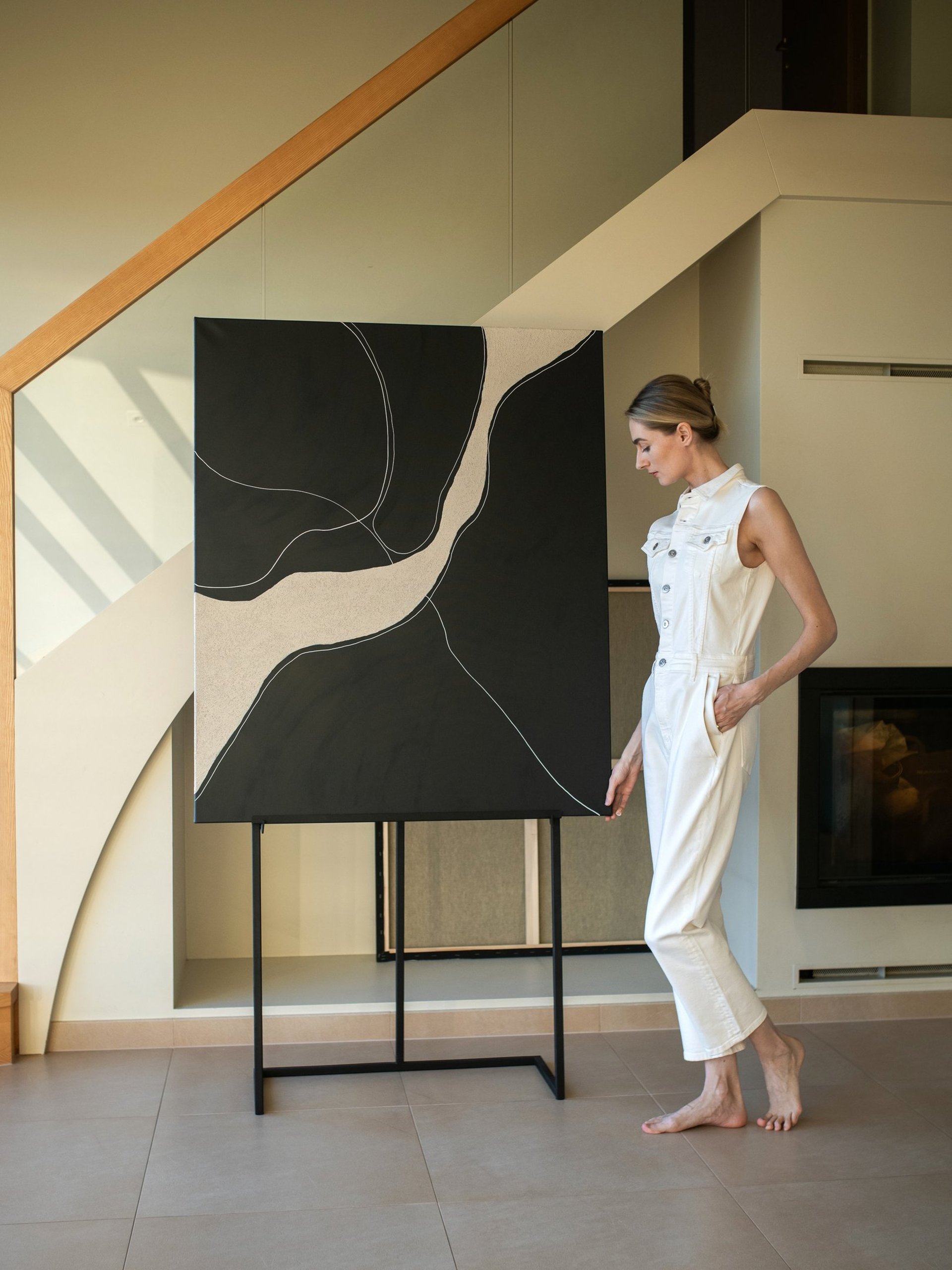
The question of whether art should be matched or intentionally not matched to an interior remains widely debated.
Some believe that artwork should be chosen purely on personal preference, without adapting it to the surrounding space. Others advocate for commissioned pieces, tailored precisely to a specific color palette and interior concept. So when decorating a home and selecting a new artwork, what should guide your decision?
Here are several key principles to consider:
1. Personal freedom and the courage to break rules
Interior styling is not a universal formula. Each space reflects the personality, needs, and values of the person living in it. Today, the range of artistic expression is vast, allowing each of us to shape our own narrative, emotion, and atmosphere.
Ask yourself: what kind of space do you want to create?
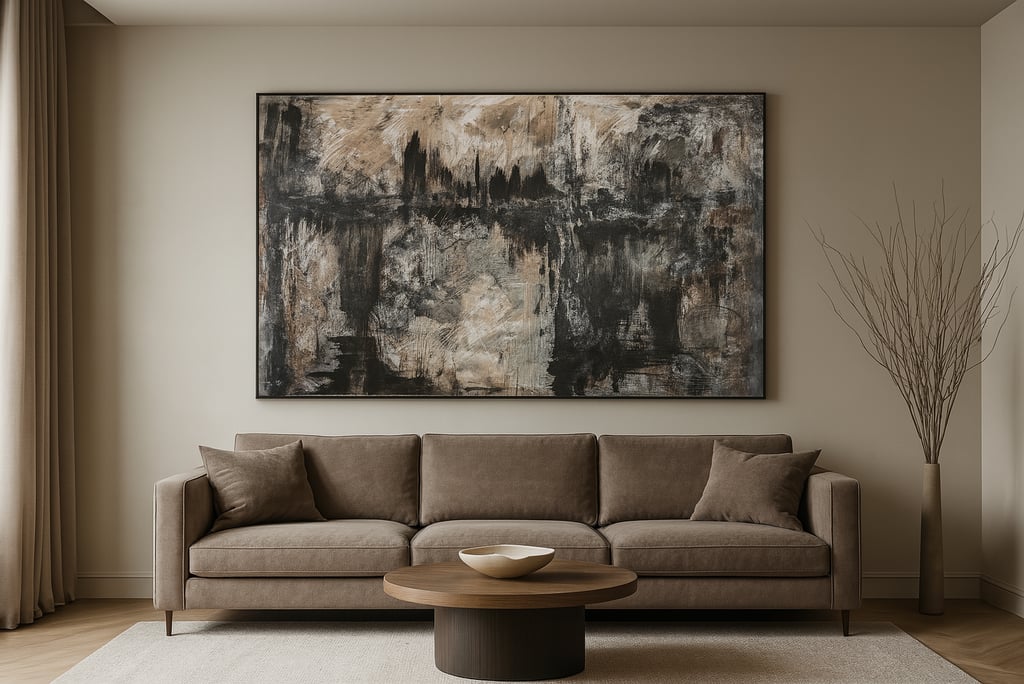
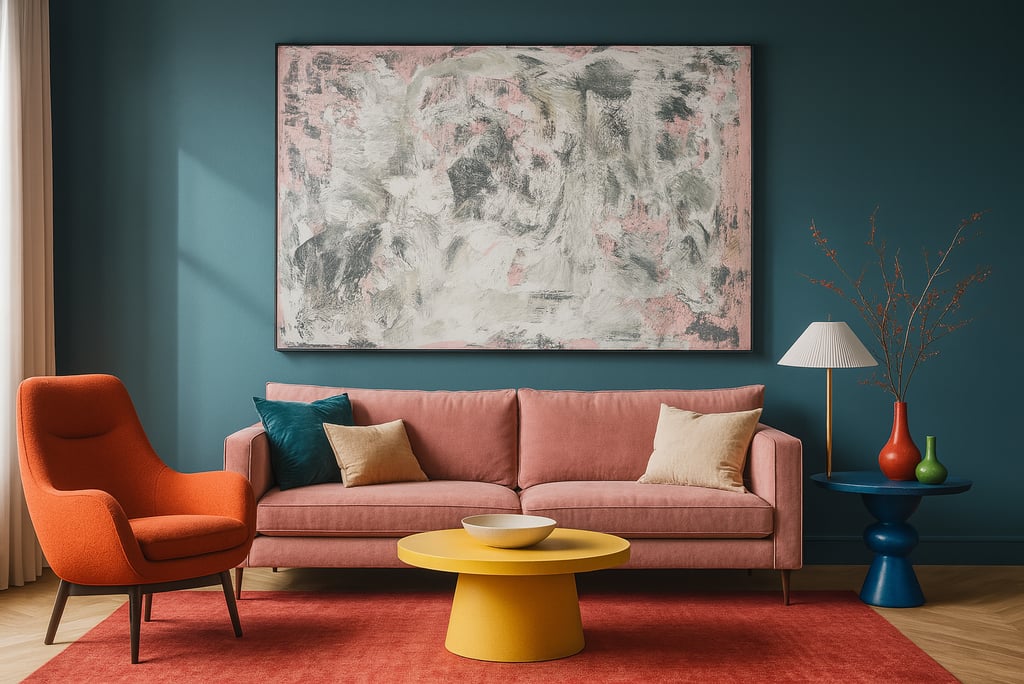
Perhaps you are drawn to a calm, subtle palette, where a few tonal variations create a sense of quiet harmony. Or perhaps you prefer a more expressive, contrasting aesthetic—an eclectic interplay of styles, textures, and patterns.
2. Emotional connection with the artwork
What matters most is that the chosen piece evokes a genuine response. It may carry a feeling, an association, or a meaningful memory. A painting should be something you enjoy returning to, day after day.
An artwork chosen from an inner sense of resonance will always bring more lasting satisfaction than one selected solely to “match” a color scheme or stylistic framework.
3. A subtle dialogue with the interior
If you do wish for the artwork to integrate harmoniously into the space, it does not need to replicate the colors of furniture, textiles, or finishes. It is often enough for the piece to subtly echo a few key tones or nuances already present in the interior.
These quiet color connections help unify and refine the overall composition. You can further reinforce this dialogue by repeating certain tones in smaller details—cushions, vases, candle holders, or sculptural objects.
A painting, therefore, can exist as both a considered element within the interior and an authentic emotional accent. Your choice should not feel like a constraint, but rather a source of ease and meaning within the space.
If you find it difficult to discover a ready-made piece, you may consider working with artists who create commissioned works. Take time to understand their style, philosophy, and previous work. Some artists enjoy collaborating closely and adapting their work to a specific interior, while others choose creative independence, allowing their inner vision to remain unrestricted.